If you’ve noticed your air conditioning unit isn’t performing quite the way it used to, maybe it’s not cooling as effectively, there’s an unusual smell when it kicks in, or it simply hasn’t had an air conditioning deep cleaning service in years then there’s a good chance it’s overdue some professional attention.
Most people don’t think about their air conditioning unit until something goes wrong. But by the time a problem becomes obvious, the system has often been working harder than it should for quite some time. A build up of dust, mould, bacteria, and debris inside the unit doesn’t just affect performance, it affects the quality of the air you and your family or colleagues are breathing every single day.
The good news is that an air conditioning deep clean is the answer and can make a significant difference to how your system runs, how long it lasts, and how healthy your indoor environment is. In this guide we’ll walk you through the key signs that your unit needs attention, exactly what the process involves, and how often you should be booking one.
What Is Air Conditioning Deep Cleaning?
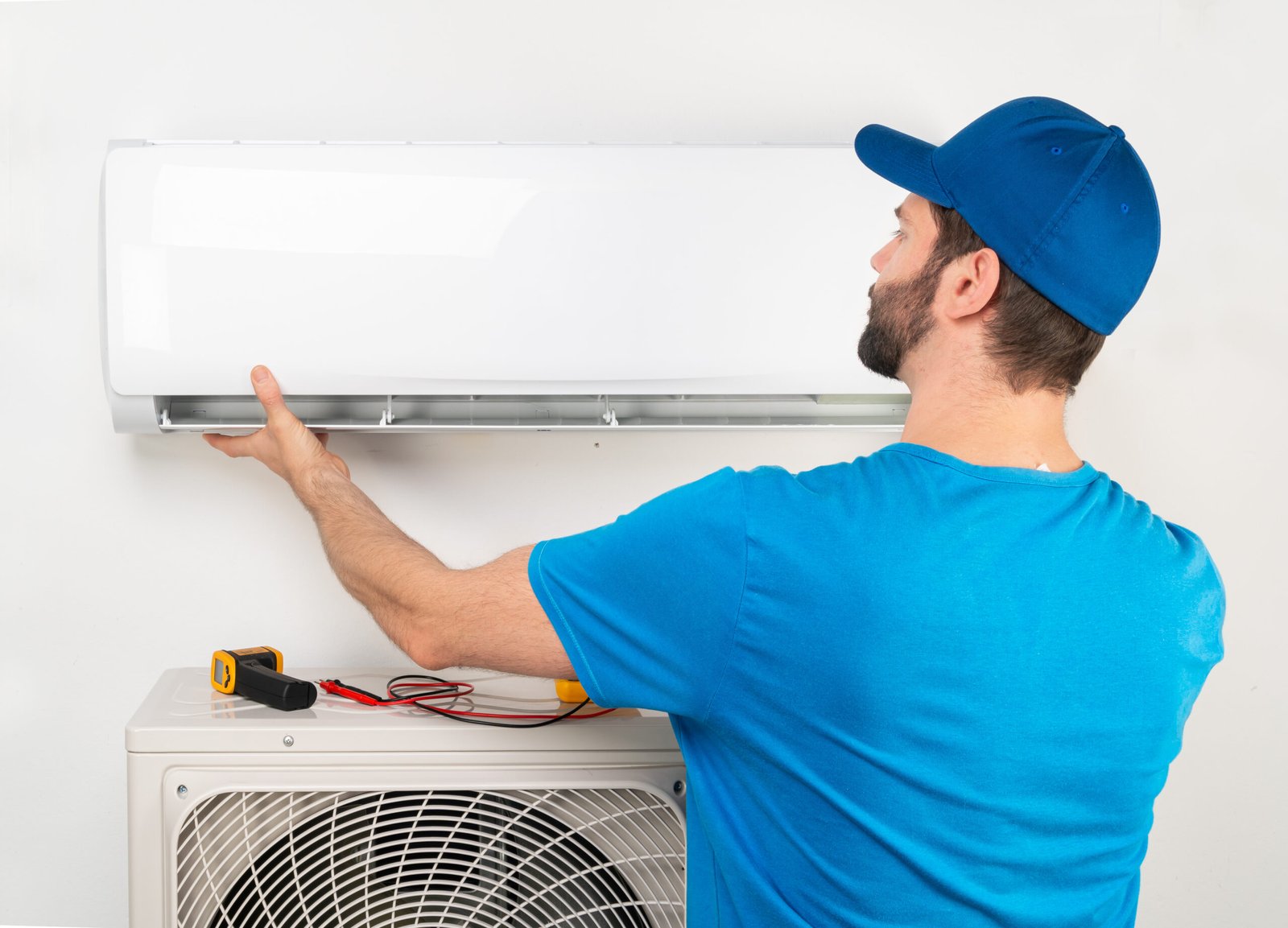
Air conditioning deep cleaning is a thorough, professional service that goes far beyond a basic wipe down or filter rinse. A trained engineer dismantles the key components of your unit, filters, coils, drain pans, and fan blades. They clean each one individually, treat the system with antibacterial and antifungal products, and reassemble everything to manufacturer standards.
It differs from a routine service or maintenance visit. A standard visit typically involves a visual inspection and basic operational checks. A deep clean is more labour intensive. It removes the accumulated contamination that builds up inside a unit over months and years of regular use.
Think of it like the difference between wiping down your oven and taking it apart to clean behind the elements and inside the door seal. Both have their place, but one does a far more thorough job.
Signs Your Air Conditioning Unit Needs a Deep Cleaning Service
Your air conditioning unit will usually give you plenty of warning signs before a problem becomes serious. If you notice any of the following, book a professional air conditioning deep clean as soon as possible.
It smells musty or stale when switched on
A musty, earthy, or stale smell when your unit starts up is one of the most common signs of mould or bacterial growth inside the system. This isn’t just unpleasant, it means those spores and bacteria are entering the air you breathe. The smell won’t go away on its own and will get worse over time without treatment.
Airflow has reduced noticeably
If your unit is running but the airflow feels weaker than it used to be, clogged filters or dirty fan blades are the most likely cause. When filters become heavily blocked with dust and debris, the system has to work significantly harder to push air through therefore reducing its effectiveness and increasing energy consumption at the same time.
It’s taking longer to reach the right temperature
Is your unit taking much longer than usual to cool or heat a room? This is a sure sign it is struggling. Dirty coils are often the culprit. Dust and grime coat the evaporator and condenser coils over time. This reduces heat exchange efficiency significantly. As a result, the system runs for longer to achieve the same result.
There is visible dust, dirt or discolouration around the vents
If you can see dust, dark marks, or discolouration around the vents or on the front panel of the unit, that’s a sign of what’s happening inside. Visible contamination on the outside of the unit almost always means there’s significantly more on the internal components where you can’t see it.
Water is dripping or pooling near the unit
Water leaking from an indoor air conditioning unit is usually caused by a blocked condensate drain. When the drain pan and drainage line become clogged with debris, the water that the system naturally produces during operation has nowhere to go and overflows. Left untreated, this can cause water damage to walls, ceilings, and flooring, as well as creating the damp conditions that accelerate mould growth inside the unit.
Allergy or respiratory symptoms seem worse indoors
If you or anyone in your household or workplace has noticed increased sneezing, coughing, irritated eyes, or worsening asthma symptoms, particularly when the air conditioning is running then a contaminated unit could be a contributing factor. Air conditioning units that haven’t been properly cleaned can circulate dust mites, mould spores, and bacteria throughout a room, significantly affecting indoor air quality.
Your Unit Is Overdue an Air Conditioning Deep Cleaning Service
Even if your unit seems to be running fine, if it hasn’t had a professional deep clean in the few years, it is almost certainly due one. Contamination builds up gradually and many of the negative effects reduce efficiency, increase energy use, provide poorer air quality which happen slowly enough that they’re easy to miss until they become significant.
What Does an Air Conditioning Deep Clean Involve?
A professional air conditioning deep clean is a systematic process that covers every key component of the unit. Here is exactly what a qualified engineer will carry out during a full deep clean service.
Filter removal and cleaning
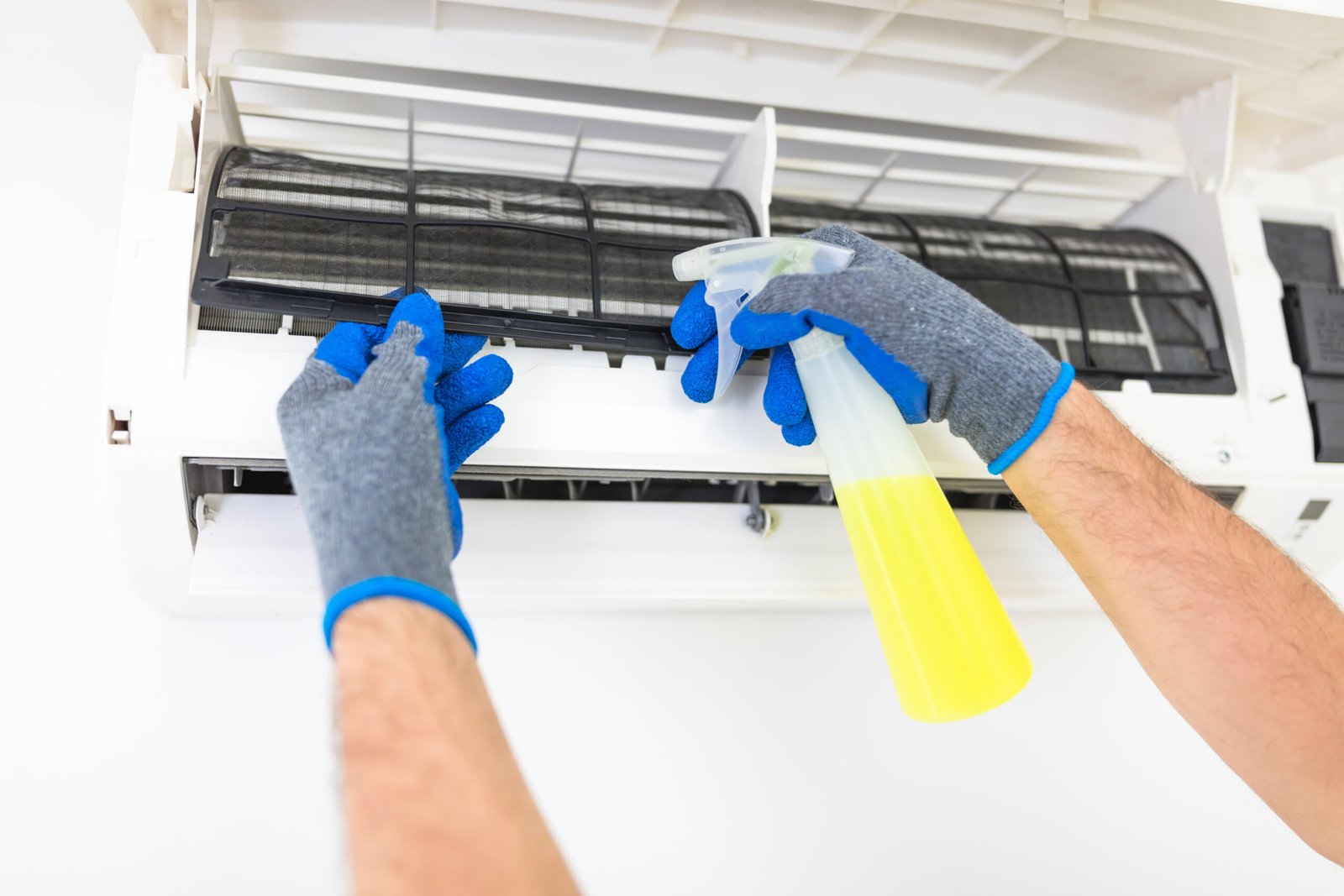
The filters are the first line of defence in any air conditioning system, catching dust, pollen, and particles before they enter the unit. Over time they become heavily clogged and need to be removed, thoroughly cleaned, and inspected for damage. Where filters are beyond cleaning, they will be replaced. This single step alone can have a dramatic impact on airflow and air quality.
Evaporator and condenser coil treatment
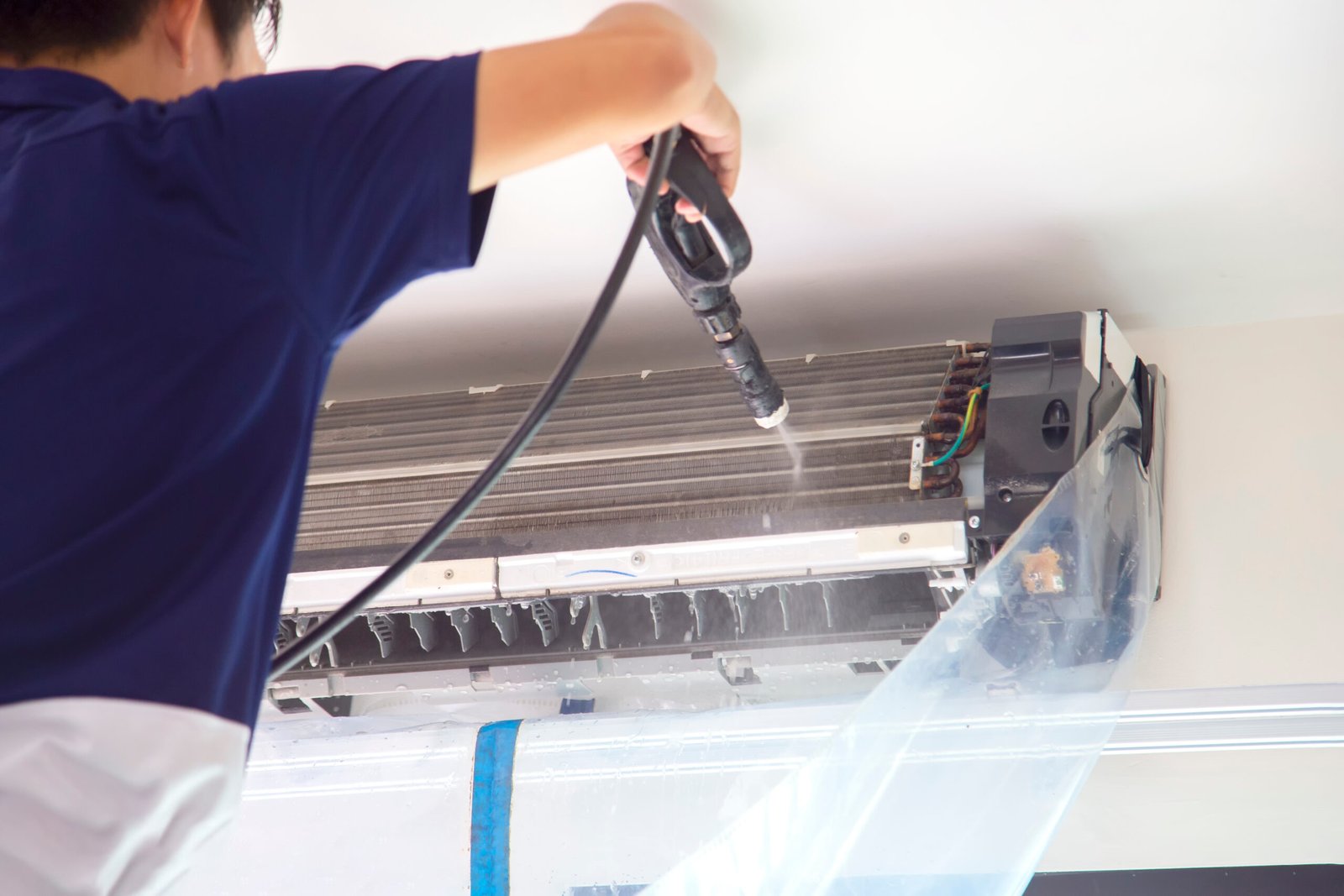
The coils are responsible for the heat exchange that allows your system to cool or heat the air. When they become coated in dust, grease, and biological growth, their efficiency drops significantly. During a deep clean, the coils are treated with specialist foaming agents that break down contamination and are then carefully rinsed clean, restoring their heat exchange capacity.
Drain pan and condensate line flush
The drain pan collects the condensation that your unit produces during normal operation and channels it away through the condensate drain line. Both the pan and the line are cleaned and flushed during a deep clean to remove blockages, prevent water overflow, and eliminate the stagnant water that encourages mould and bacterial growth.
Fan blades and blower wheel clean
The fan blades and blower wheel accumulate heavy deposits of dust and can become significantly unbalanced over time, causing noise and vibration. Cleaning these components restores proper airflow, reduces strain on the motor, and eliminates the rattling or humming sounds that a dirty fan often produces.
Antibacterial and antifungal treatment
Once the physical cleaning is complete, the interior of the unit is treated with professional grade antibacterial and antifungal agents. This kills any remaining mould, bacteria, or microbial growth and helps to prevent it from returning quickly. This step is particularly important in properties where damp conditions, poor ventilation, or heavy use have allowed biological contamination to take hold.
Full system inspection and test
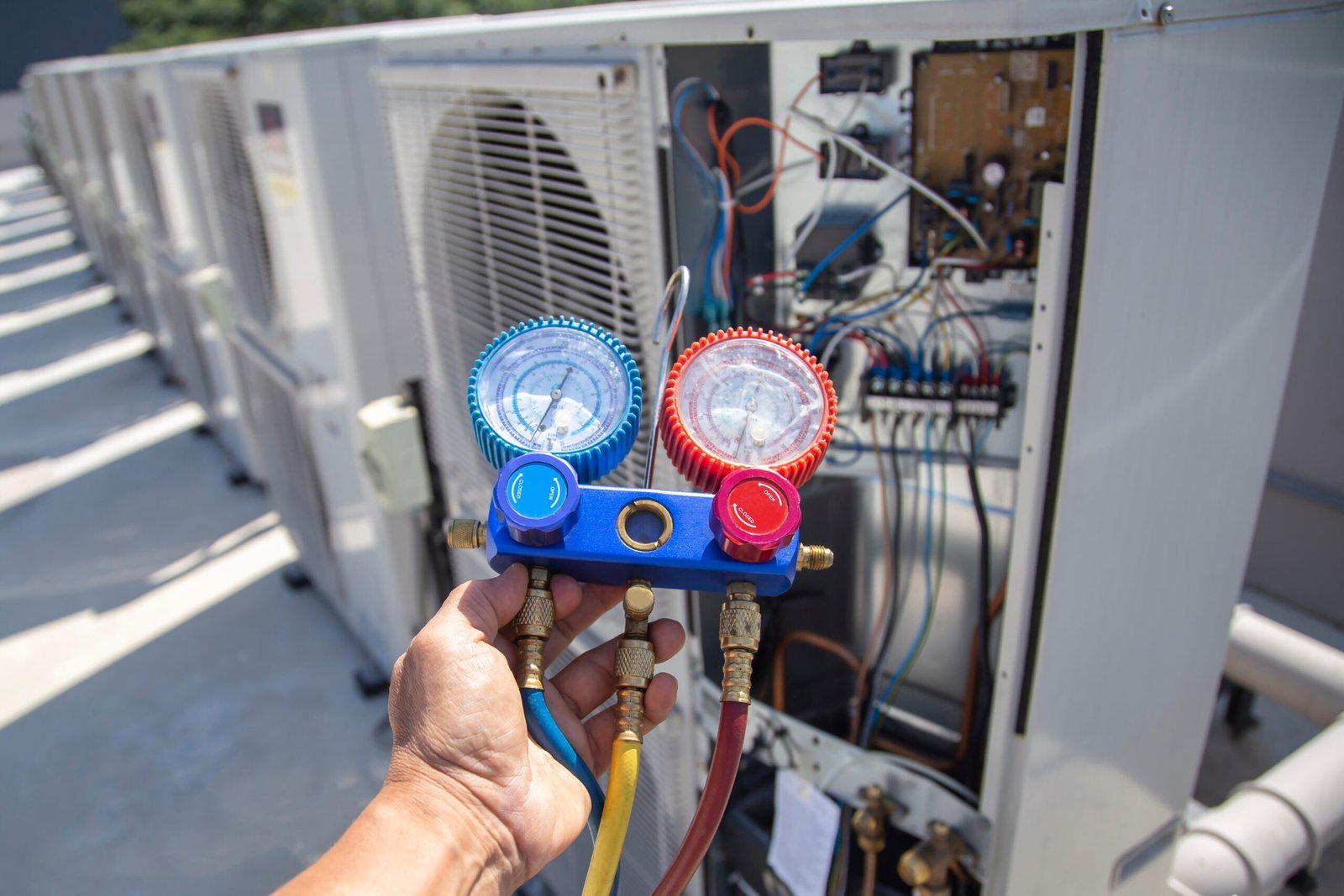
Before leaving, the engineer fully reassembles the unit and carries out a complete system test. This covers refrigerant levels, electrical connections, and the thermostat and controls. The engineer confirms everything is running correctly and efficiently. Any issues found during the inspection are flagged straight away. This ensures small problems are dealt with before they develop into something more serious.
How Often Should You Book an Air Conditioning Deep Cleaning Service?
For most residential and light commercial air conditioning systems, a professional deep clean once every 3-4 years is recommended. The best time to book is typically in spring, before the warmer months arrive and demand for engineers increases, ensuring your system is in peak condition when you need it most.
If your system is used more heavily than average, for example in a busy office, a commercial kitchen, a gym, or a property with pets or smokers than every 2 years is more appropriate. High usage means faster accumulation of dust, grease, and biological contamination, and a more frequent cleaning schedule helps to keep the system running efficiently and the air quality at an acceptable standard.
For landlords and property managers, regular air conditioning maintenance is also increasingly important from a duty of care perspective. Ensuring that air handling systems in rental properties are clean, well maintained, and not contributing to poor indoor air quality is good practice regardless of any specific regulatory requirement.
The Benefits of Regular Air Conditioning Deep Cleaning
Investing in regular air conditioning deep cleaning delivers benefits that go well beyond simply having a cleaner unit.
A clean system runs more efficiently than a dirty one. Studies suggest a heavily contaminated unit can use up to 25% more energy than a well maintained one. Over the course of a year, that means lower energy bills for homes and businesses alike.
Regular deep cleaning also extends the working life of your unit. Clean, well maintained components last significantly longer. Replacing a unit prematurely is expensive and disruptive. Regular servicing and cleaning helps you avoid that cost entirely.
Perhaps most importantly, clean air conditioning means cleaner air. The quality of air inside our homes and workplaces directly impacts health, comfort, and wellbeing. A professionally cleaned system circulates fresh, filtered air. This removes the risk of recycling dust, allergens, and bacteria throughout the space.
Frequently Asked Questions
How long does an air conditioning deep clean take?
A standard domestic indoor unit typically takes between one and three hours. Larger multi-split systems or commercial installations may take longer. Your engineer will give you an accurate time estimate when you book.
Is a deep clean the same as a service?
No. A routine service covers a visual inspection and standard operational checks. A deep clean goes further. The engineer dismantles key components, cleans the coils, flushes the drains, and applies antibacterial treatment. Both are important but they serve different purposes.
Can a dirty air conditioning unit make you ill?
Yes. A dirty unit can contribute to poor indoor air quality. Mould spores, bacteria, and dust can aggravate asthma, allergies, and respiratory conditions. A musty smell when the unit runs is usually a sign of biological contamination inside the system.
Can I clean my air conditioning unit myself?
You can rinse the filters yourself every few weeks during heavy use. This is worth doing as basic maintenance. However, a full deep clean needs specialist equipment and technical knowledge. Without the right tools and training, attempting to clean the coils or internal components can damage the system.
How do I know if my unit has mould?
A musty or earthy smell when the unit runs is the most reliable sign. You may also spot dark discolouration around the vents or on the filters. A professional engineer can confirm mould during an inspection and treat it as part of a full deep clean.
What is the best time of year to book an air conditioning deep clean?
Late spring is ideal for most properties. Engineer availability is better and demand is lower than in summer. Your system will be fully prepared before the hottest months arrive. Air conditioning deep cleaning can be carried out at any time of year. Don’t delay if your unit is showing signs of contamination or reduced performance.
Final Words
Is your unit showing any of the signs covered in this guide? Has it been more than two to three years since its last deep clean? Now is the time to act. A single visit from a qualified engineer can improve your system’s performance, reduce your energy bills, and clean the air in your home or workplace.
Get in touch today to book your air conditioning deep clean. Call us on 0330 341 2030 or email info@theacengineer.co.uk.